Turning learning into an experience that feels playful can dramatically change how quickly and deeply children absorb new information. When kids are relaxed, curious, and having fun, their brains become more open to forming new connections. Instead of memorizing facts they’ll soon forget, they build real understanding, creativity, and confidence that lasts. This shift from pressure to play doesn’t mean less learning; it usually means more—and better—learning.
1. Play Unlocks Natural Curiosity
Children are born curious. They want to touch, explore, and experiment with everything around them. When learning feels like a game, it aligns perfectly with this natural drive to discover. Instead of being told to “pay attention,” kids are eager to stay engaged because the activity itself is rewarding.
In a playful setting, kids ask more questions, try new approaches, and feel safe exploring different answers. This curiosity-driven learning leads to deeper comprehension and better long-term retention than rigid, test-focused methods.
2. Games Reduce Stress and Boost Confidence
Traditional learning environments can create anxiety and fear of failure. When kids worry about making mistakes, they often shut down and stop taking risks. In contrast, playful learning puts the focus on exploration, not perfection. Making a wrong move in a game is simply part of playing, not a reason to feel embarrassed.
As a result, children become more confident and persistent. They see challenges as puzzles to solve rather than threats to avoid. This mindset is crucial for long-term academic success, problem-solving, and emotional resilience. And while parents and educators focus on what kids are learning, tools like a simple **invoice generator pdf** can quietly streamline the background work of organizing materials, planning resources, and managing communication with families, freeing up more energy for meaningful, play-based activities.
3. Active Play Engages the Whole Brain
When kids learn through play, they don’t just sit and listen; they move, talk, build, draw, and role-play. This kind of active learning engages multiple areas of the brain at once—motor skills, language, memory, and emotional centers all work together.
For example, a child learning math through a building game uses spatial reasoning, counting, planning, and sometimes even storytelling. These integrated experiences strengthen neural pathways, making it easier for kids to recall and apply what they’ve learned in new situations.
4. Stories and Role-Play Make Abstract Ideas Real
Many academic concepts are abstract—numbers, grammar rules, scientific ideas. Kids grasp these more quickly when they can connect them to a story or a pretend scenario. Role-play and storytelling transform dry facts into something kids can see, feel, and relate to.
A pretend shop, for instance, can teach counting, basic math, decision-making, and language skills all at once. Because the child is emotionally involved in the story—being the shopkeeper, the customer, or the helper—the lessons stick better than if they were just copying problems from a workbook.
5. Play Encourages Repetition Without Boredom
Repetition is essential for mastering any skill, from reading to tying shoes. But repetition can be boring if it feels like drill. In a playful context, kids often repeat the same actions, words, or patterns over and over—by choice.
Whether they’re trying a puzzle again, replaying a board game, or building a better version of yesterday’s tower, that voluntary repetition is exactly what cements new knowledge. They practice without realizing they’re “studying,” which accelerates learning while protecting their enthusiasm.
6. Social Play Builds Communication and Collaboration Skills
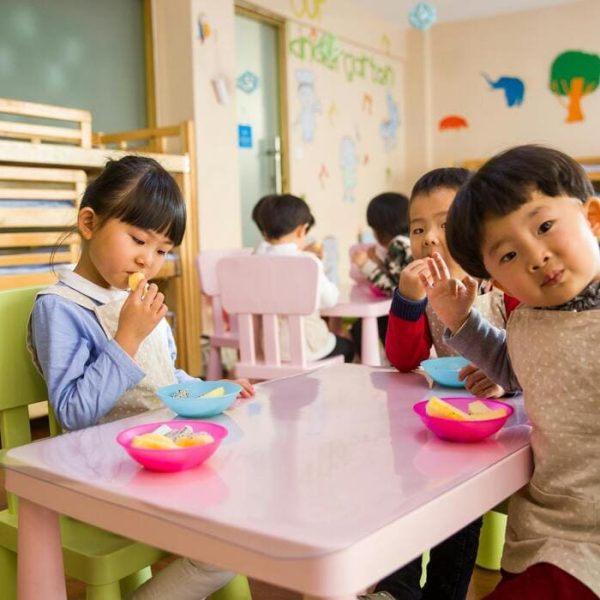
Play often happens in groups: siblings, classmates, or neighborhood friends. When children learn while playing together, they develop vital social and communication skills. They negotiate roles, solve conflicts, explain rules, and share ideas.
This social dimension speeds up learning because kids learn from one another as much as from adults. A child might understand a concept more quickly when another child demonstrates it, explains it in simple words, or shows a creative workaround during a game.
7. Choice and Autonomy Drive Motivation
When kids get to choose how they play and learn, they become more invested in the outcome. Playful learning environments often give children options: which game to play, what materials to use, which story to create, or how to solve a puzzle.
This sense of control fuels intrinsic motivation—the internal desire to learn for its own sake. Intrinsic motivation is one of the strongest predictors of long-term academic success, and it develops naturally when learning experiences are fun, flexible, and child-centered.
8. Hands-On Activities Make Learning Stick
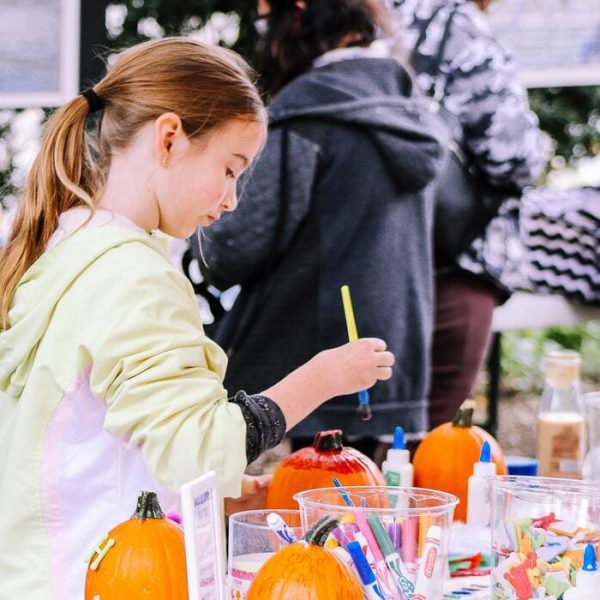
Many children, especially in early years, are tactile learners. They need to touch, manipulate, and build to truly understand. Playful, hands-on activities like building blocks, craft projects, science experiments, or interactive digital games make abstract ideas concrete.
When kids physically interact with objects, they create rich sensory memories—what they saw, felt, heard, and sometimes even smelled. These multi-sensory impressions make the lesson easier to recall later, whether in a test, a real-life situation, or another learning activity.
9. Play Teaches Problem-Solving and Flexibility
Games and playful tasks naturally require problem-solving: figuring out how to win, how to build something that doesn’t fall, or how to adapt when rules change. As children experiment with different strategies, they practice flexible thinking.
This kind of adaptive, creative problem-solving is crucial not just in school, but in daily life. Children who grow up learning in playful ways are more likely to approach future challenges with an open mind and a toolkit of strategies, instead of feeling stuck or overwhelmed.
10. Positive Emotions Supercharge Memory
Emotion and memory are tightly linked. When kids are happy, excited, or deeply engaged, their brains are more likely to store and recall information. Playful learning taps into this by making learning feel joyful instead of stressful.
Moments of shared laughter during a game, pride after solving a puzzle, or excitement over a new discovery all create emotional “anchors” for new knowledge. Over time, this builds a positive association with learning itself, helping children stay curious and motivated as school demands become more complex.
Conclusion: Playful Learning Builds Faster, Deeper Understanding
When learning feels like play, kids learn faster because they are curious, relaxed, and fully engaged. They move, talk, imagine, solve problems, and connect with others—all while building academic and life skills. Instead of dreading lessons, they look forward to them.
For parents, teachers, and caregivers, the goal isn’t to choose between play and learning, but to weave them together. By turning everyday moments into playful opportunities—whether through stories, games, role-play, or hands-on projects—you create an environment where children thrive. The more learning feels like an adventure rather than an obligation, the more quickly and confidently kids will grow.